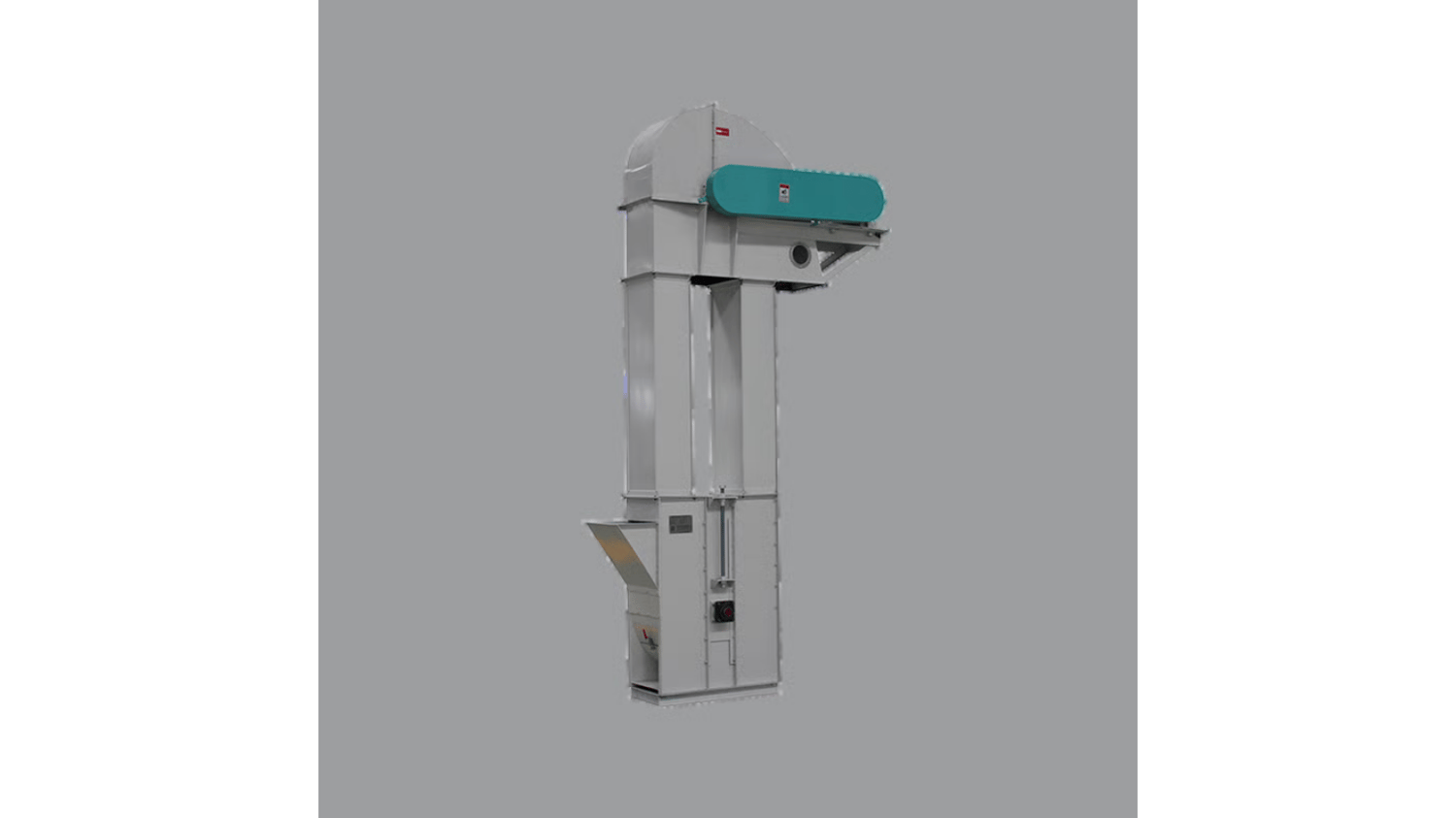
A bucket elevator is a mechanical device designed to vertically lift bulk materials in an efficient and continuous manner. This equipment typically consists of a series of buckets attached to a belt or chain, which moves the materials from a lower level to a higher discharge point. Commonly utilized in industries such as agriculture, mining, and manufacturing, bucket elevators enable streamlined material handling and enhance process efficiency.
Key Components of a Bucket Elevator
The core components of a bucket elevator include the buckets, belt or chain, pulleys or sprockets, head and boot sections, and the frame. Buckets are attached at regular intervals to the belt or chain, which moves them vertically inside a casing. The head section houses the drive mechanism and discharge outlet, while the boot section is where material loading occurs. Proper alignment and quality of these parts are essential for the elevator’s optimal performance.
How Bucket Elevators Operate
Material is fed into the boot section, where the buckets scoop or collect it. As the belt or chain moves upward, the buckets carry the material inside the enclosed casing. Upon reaching the head section, the buckets invert or tip to discharge their contents at the top. Gravity then facilitates the empty buckets to return downward, ready for the next load cycle. This continuous loop allows for consistent and reliable vertical transport.
Types of Bucket Elevators
Bucket elevators can be broadly classified into centrifugal and continuous types. Centrifugal bucket elevators typically operate at higher speeds, using the centrifugal force to eject materials at the discharge point. Continuous bucket elevators function at slower speeds, transferring materials smoothly with minimal spillage. Selection depends on the nature of the material, capacity requirements, and specific industry application.
Common Applications Across Industries
Bucket elevators are widely applied in handling a variety of bulk materials including grains, fertilizers, ores, cement, and food products. In agriculture, they transport grains and seeds; in mining, they move ores and minerals; in construction, they handle cement or sand. Their ability to maintain clean and dust-free vertical conveying makes them indispensable in many sectors where bulk solid handling is critical.
Advantages of Using Bucket Elevators
This equipment offers multiple benefits such as high throughput capacity, efficient vertical transport, reduced mechanical damage to materials, and minimal footprint compared to inclined conveyors. Bucket elevators also provide dust containment with fully enclosed casings, which is crucial for environmental compliance and workplace safety. Additionally, they are cost-effective solutions for transporting materials to significant heights.
Material Considerations for Bucket Elevators
Selecting the right bucket elevator involves understanding the characteristics of the material to be conveyed. Factors like abrasiveness, moisture content, particle size, and density influence the design and construction of the elevator. For example, corrosive materials may require stainless steel buckets and casings, while sticky substances call for specialized bucket shapes to prevent clogging.
Maintenance and Safety Practices
Regular maintenance is vital for the longevity and safe operation of bucket elevators. Inspections should focus on belt or chain tension, bucket integrity, motor function, and bearing conditions. Safety features such as belt misalignment switches, overload protection, and emergency stop mechanisms help prevent accidents and equipment failure. Adequate training for operators and adherence to safety protocols is also essential.
Innovations and Technological Improvements
Modern bucket elevators incorporate advancements such as variable speed drives, improved bucket materials, and noise reduction technologies. Automation and monitoring systems allow real-time data collection for predictive maintenance, reducing downtime. Some designs now incorporate energy-efficient motors and enhanced sealing to improve sustainability and operational efficiency.
Choosing the Right Bucket Elevator for Your Needs
Selecting a bucket elevator requires a detailed assessment of the application requirements including capacity, material characteristics, height, and environmental conditions. Engaging with experienced manufacturers and using customized designs ensure that the elevator delivers optimal performance and longevity. Proper installation and commissioning complement the selection process for maximum operational success.
Quote Inquiry
contact us