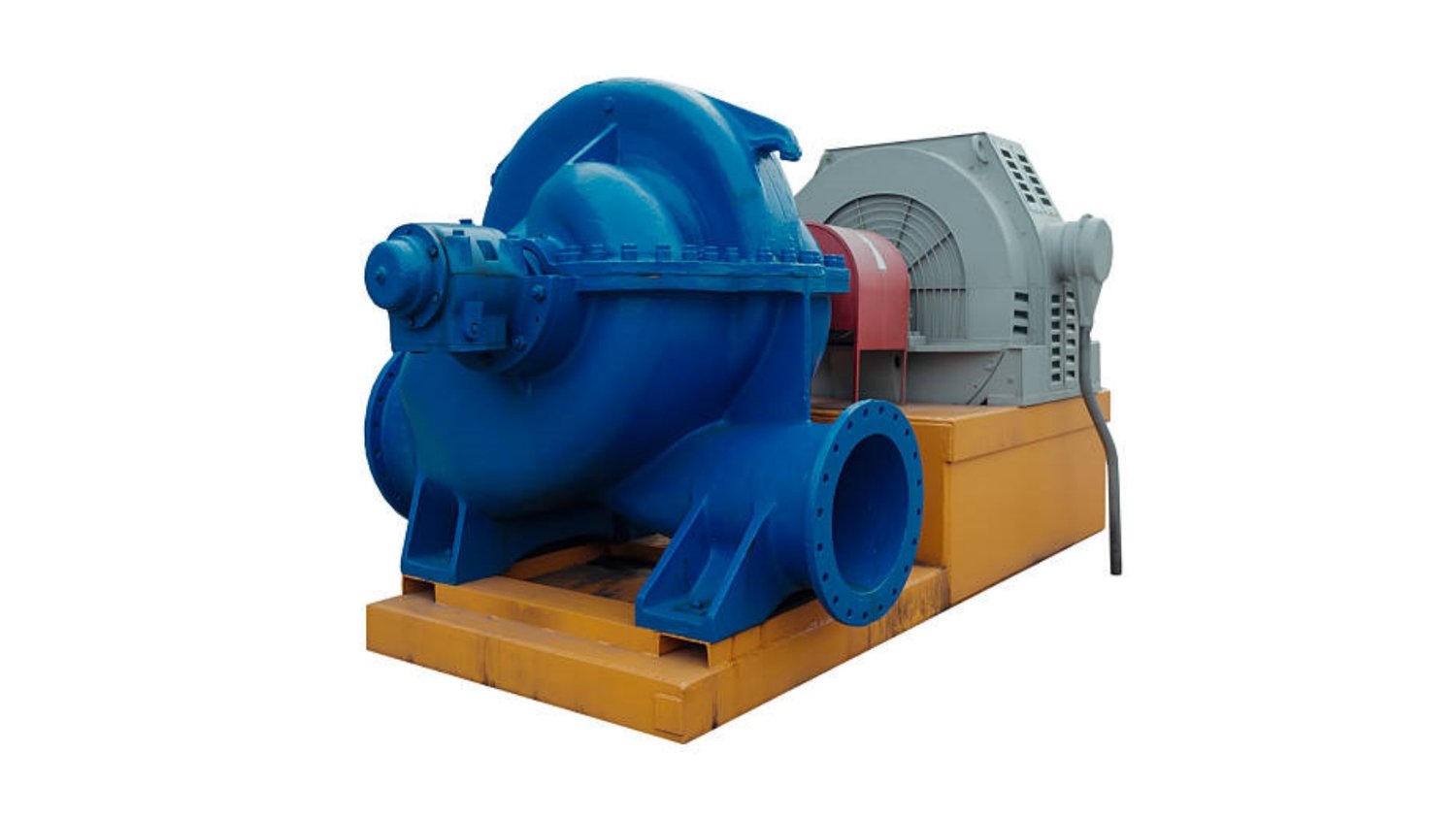
Cold press industrial juice extractors represent a revolutionary advancement in juice extraction technology. Unlike traditional centrifugal juicers, cold press machines operate at low speeds, gently crushing fruits and vegetables to preserve nutrients, flavor, and color. Their industrial-scale design enables high-volume juice production, making them indispensable for juice manufacturers seeking efficiency without sacrificing quality.
How Cold Press Technology Works
At the core of cold press industrial juice extractors is a hydraulic or mechanical system that slowly presses produce to extract juice. This process minimizes heat generation and oxidation, which are common in high-speed juicers. The slow extraction method helps retain valuable enzymes and vitamins, ensuring the juice maintains its nutritional integrity, making these extractors ideal for health-focused beverage production.
Advantages Over Traditional Juicing Methods
Cold press industrial juice extractors offer multiple advantages when compared to conventional juicers. They produce higher juice yields due to thorough pressing, generate less foam and heat, and extend shelf life by reducing oxidation. The improved juice quality enhances marketability, while the extractors’ durability and efficiency lower operational costs, making them a preferred choice in the industrial juice sector.
Key Features of Industrial Cold Press Juice Extractors
Industrial-grade cold press juice extractors are equipped with robust motors, stainless steel pressing plates, and automated feeding systems. Many models include adjustable pressing pressure, user-friendly control panels, and easy-clean designs. These features streamline production, enable customization according to fruit type, and ensure hygienic processing—a critical factor in large-scale juice manufacturing.
Applications in Various Industries
Cold press industrial juice extractors serve a broad range of industries beyond juice bars and beverage companies. They are utilized in nutraceutical production, cosmetic ingredient extraction, and food processing plants. Their ability to extract pure, nutrient-rich juices makes them suitable for organic product lines, wellness supplements, and innovative culinary applications.
Impact on Juice Quality and Nutrition
The cold press extraction technique significantly impacts juice quality by preserving delicate phytochemicals, antioxidants, and vital nutrients that degrade under heat and oxygen exposure. The gentle pressing process ensures vibrant flavors and natural colors are retained, resulting in premium-quality juice that meets consumer demands for freshness and health benefits.
Energy Efficiency and Environmental Considerations
Cold press industrial juice extractors are designed with energy efficiency in mind, often consuming less power than high-speed centrifugal juicers. Their minimal heat production reduces the need for additional cooling. Additionally, many manufacturers focus on eco-friendly materials and waste-reduction features, supporting sustainable production practices within the juice industry.
Maintenance and Operational Costs
While cold press industrial juice extractors offer numerous production benefits, they require regular maintenance to ensure longevity and optimal performance. Routine cleaning of pressing components and timely replacement of wear parts are essential. Despite these requirements, the operational costs are generally offset by the increased juice yield and superior product quality they provide.
Market Trends and Consumer Demand
The growing consumer preference for natural, nutrient-dense beverages is driving increased adoption of cold press industrial juice extractors by manufacturers. Trends emphasizing clean label products and organic ingredients underscore the importance of preserving juice integrity through cold press techniques. This shift is fueling innovation in extractor design and expansion in global juice markets.
Choosing the Right Cold Press Industrial Juice Extractor
Selecting an appropriate cold press industrial juice extractor depends on production capacity, fruit and vegetable types processed, available space, and budget considerations. Prospective buyers should evaluate machine specifications, support services, warranty options, and compatibility with existing production lines to ensure a seamless integration and maximize return on investment.
Quote Inquiry
contact us