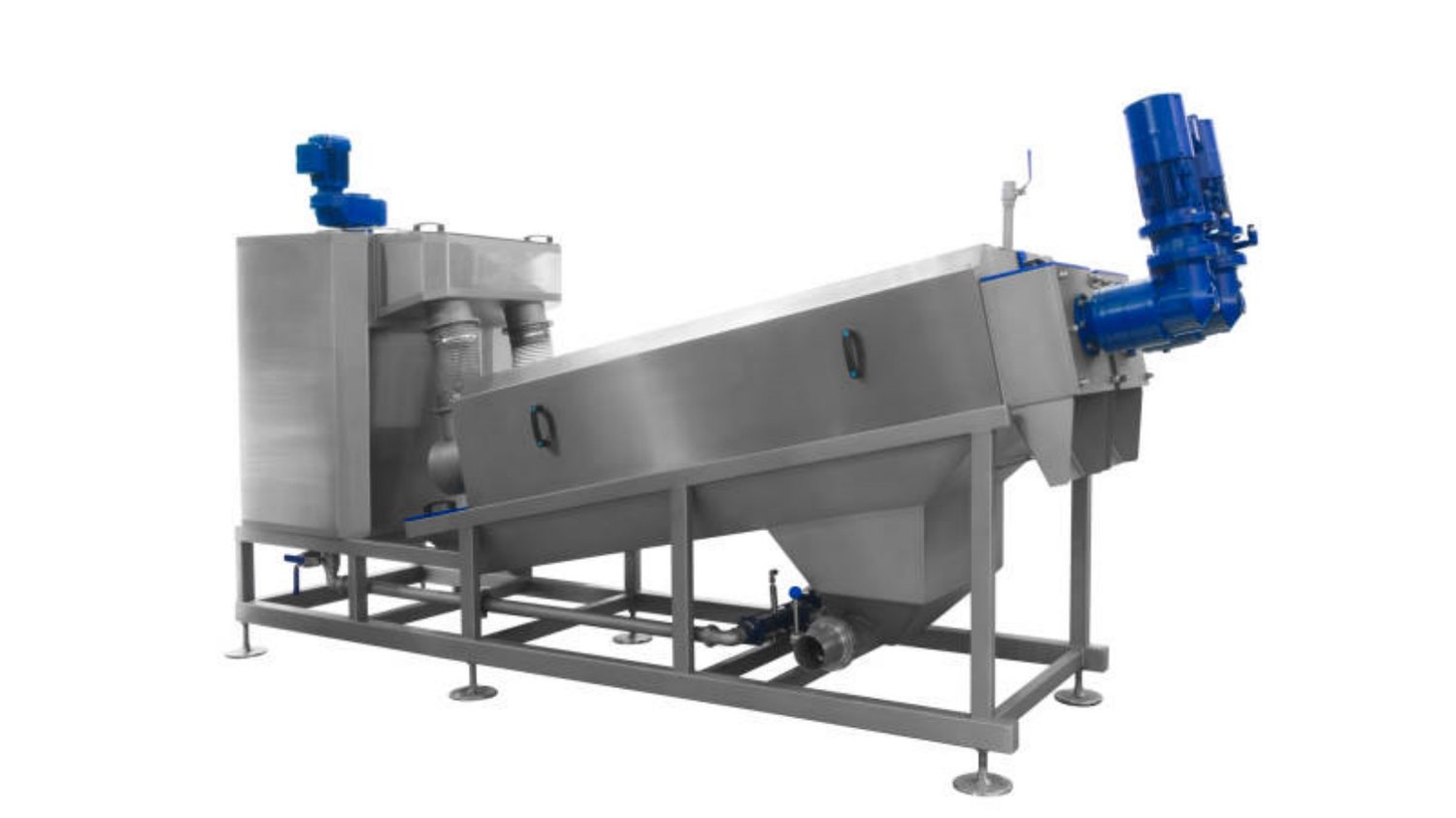
Mobile solid liquid separators are innovative devices engineered to separate solids from liquid mixtures effectively. These machines are designed for portability, allowing on-site separation without the need for fixed installations. This mobility offers significant advantages in industries where waste streams vary frequently or locations change often, such as construction sites, agricultural operations, and emergency response units. By efficiently dividing solids and liquids, mobile solid liquid separators help optimize waste management and resource recovery.
Design and Operational Mechanisms
The core functionality of a mobile solid liquid separator lies in its ability to process slurry, sludge, or wastewater through mechanical or hydraulic systems. Common technologies include centrifugation, filtration, decanting, and screw press mechanisms. Each system focuses on maximizing solid capture while allowing the liquid to flow through with minimal clogging. The mobility aspect demands lightweight yet durable materials and compact design for ease of transport without sacrificing processing capacity or reliability.
Applications in Wastewater Treatment
In wastewater treatment, mobile solid liquid separators play a crucial role by removing suspended solids from sewage or industrial effluent before discharge or further treatment. These machines provide onsite preliminary treatment which reduces the load on stationary plants and prevents clogging or damage to downstream equipment. This portability is especially useful in remote or temporary installations, disaster zones, and for construction site wastewater management.
Benefits in Agricultural Practices
Agricultural operations benefit significantly from mobile solid liquid separators, particularly in handling animal manure and slurry. These separators improve nutrient management by isolating solids for composting or spreading as fertilizer while returning cleaner water to storage or reuse. The mobility ensures separators can serve multiple locations seasonally and offer farmers more efficient waste utilization and reduced environmental impact.
Role in Industrial Sludge Management
Industrial sludge generated from manufacturing processes often contains heavy solids suspended in liquids. Mobile solid liquid separators facilitate onsite sludge dewatering, reducing volume and transportation costs. Industries such as food processing, mining, and chemical manufacturing use these separators to improve operational efficiency and comply with environmental regulations. The portability ensures that treatment can be adapted dynamically to the production schedule.
Environmental Impact and Sustainability
Utilizing mobile solid liquid separators supports sustainability goals by enhancing waste reduction and promoting recycling of separated solids and treated water. These machines help minimize sludge disposal issues and mitigate groundwater contamination. Their on-the-spot deployment reduces the carbon footprint associated with transporting untreated waste to centralized facilities. This technology is a key enabler of sustainable industrial and agricultural waste management.
Customization and Scalability
Mobile solid liquid separators come in various capacities and configurations to meet diverse processing needs. Manufacturers tailor designs based on expected feed material, volume, and separation efficiency requirements. Scalability is an important feature, allowing modular units to be combined or resized depending on project scope. This flexibility makes mobile solid liquid separators versatile tools across different sectors and scales of operation.
Maintenance and Operational Considerations
Routine maintenance of mobile solid liquid separators is essential to ensure optimal performance and longevity. Operators must regularly inspect filter media, mechanical components, and hydraulic systems for wear or clogging. Since these units are frequently moved and operated in varying conditions, robust construction and easy serviceability are key to reducing downtime. Training for field operators further enhances efficient handling and maintenance.
Economic Advantages and Cost Efficiency
Investing in mobile solid liquid separators can lead to considerable cost savings by lowering the volume of waste transported and treated offsite. Additionally, recovery of solids and water for reuse adds economic value, particularly in resource-intensive industries. The ability to deploy these units as needed prevents unnecessary capital expenditure on fixed infrastructure, allowing businesses to optimize operations with a pay-as-you-go model.
Future Trends and Technological Advancements
The future of mobile solid liquid separators is being shaped by advancements in automation, sensor integration, and energy-efficient designs. Smart separators with real-time monitoring can adjust operational parameters to changing feed characteristics, improving separation accuracy and reducing manual intervention. Hybrid models incorporating renewable energy sources and improved materials promise enhanced sustainability and broader application potentials in the coming years.
Quote Inquiry
contact us