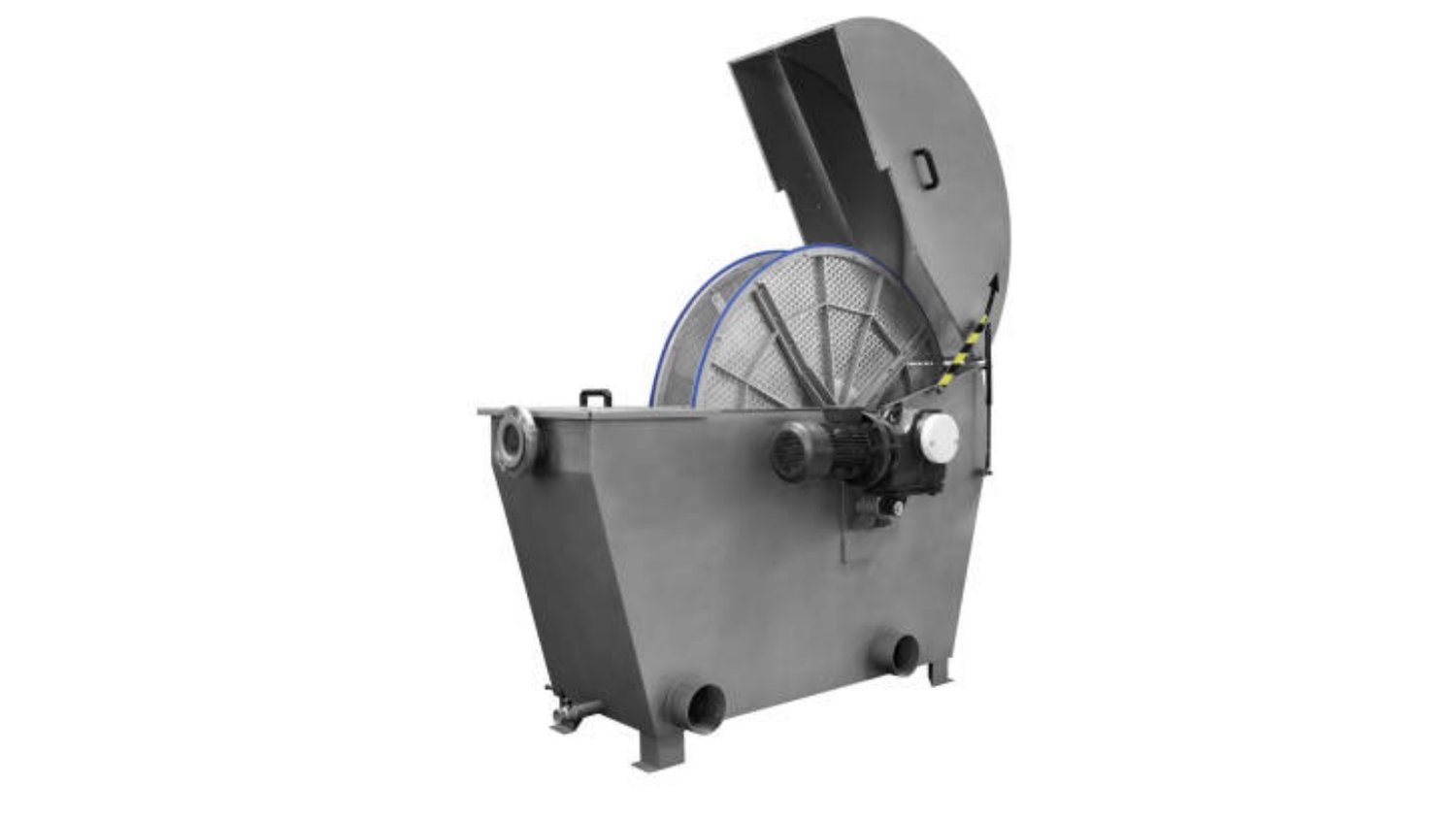
A slop screen solid-liquid separator is a specialized filtration device designed to separate solids from liquid slop mixtures efficiently. Commonly used in industrial and environmental applications, this equipment improves waste management by enabling the recovery of clean liquids while removing unwanted solid materials. Its functionality is based on mechanical screening techniques that utilize a fine mesh or screen surface to retain solids, making it indispensable in sectors such as oil and gas, wastewater treatment, and food processing.
Essential Components and Working Principle
The slop screen solid-liquid separator typically comprises a slotted or perforated screen, rotating drum or belt conveyors, sludge containers, and discharge outlets. As the mixture passes over the screen, solids get trapped while liquids flow through. The trapped solids are collected and removed automatically or manually, depending on the design. This mechanical separation avoids the use of chemicals, ensuring an eco-friendly process.
Advantages Over Conventional Separation Methods
Compared to methods like centrifugation or chemical coagulation, the slop screen solid-liquid separator offers higher energy efficiency and lower operating costs. It handles large volumes of waste slop with minimal maintenance and reduces downtime. The simplicity of operation and adaptability to various slop types make it a preferred choice for industries looking to optimize waste processing and reduce environmental impact.
Applications in the Oil and Gas Industry
In oil and gas operations, slop screen solid-liquid separators play a critical role in treating drilling waste and produced water slops. They effectively remove cuttings, sludge, and other solid contaminants from the liquid phase, enabling safe disposal or recycling. This separation process helps companies comply with environmental regulations and supports sustainable drilling practices.
Use in Wastewater Treatment Plants
Wastewater treatment facilities utilize slop screen solid-liquid separators to remove suspended solids from sewage sludge and industrial effluents. By separating solids early in the treatment process, the equipment enhances overall plant efficiency, reduces load on biological treatment units, and aids in producing cleaner discharge water. This contributes to improved downstream processing and environmental protection.
Design Considerations for Optimal Performance
Selecting the appropriate mesh size, screen material, and throughput capacity is vital in designing an effective slop screen solid-liquid separator. Materials resistant to corrosion and abrasion, such as stainless steel or specialized polymers, extend equipment lifespan. Additionally, incorporating adjustable screen angles and automated solids removing mechanisms can significantly improve separation efficiency and reduce labor.
Environmental Benefits and Compliance
By facilitating effective solid-liquid separation, these separators help minimize hazardous waste volumes and prevent environmental contamination. The processed liquid meets discharge standards more easily, aiding companies in adhering to stringent environmental guidelines. Using slop screen solid-liquid separators contributes to sustainable industrial practices through waste volume reduction and pollution control.
Maintenance and Operational Best Practices
Routine inspection and cleaning of the screening surface are essential to prevent clogging and maintain separation efficiency. Operators should monitor feed rates and solids load to avoid overburdening the system. Regular lubrication of moving parts and timely replacement of worn components ensure continuous operation. Proper maintenance not only extends equipment life but also reduces operational costs.
Innovations and Technological Advances
Recent developments in slop screen solid-liquid separator technology include enhanced mesh materials, integration with automated control systems, and incorporation of real-time monitoring sensors. These innovations enable precise control of separation parameters, optimize throughput, and minimize manual intervention. Advances also focus on reducing the footprint and energy consumption of these units, aligning them with modern sustainability goals.
Economic Impact and Return on Investment
Investing in a slop screen solid-liquid separator yields cost-saving benefits by reducing waste disposal fees, conserving water through recycling, and lowering chemical usage. The improved process efficiencies lead to faster treatment cycles and reduced downtime. For businesses managing large volumes of slop waste, these savings translate into significant financial returns, making the technology a strategic asset for sustainable growth.
Quote Inquiry
contact us