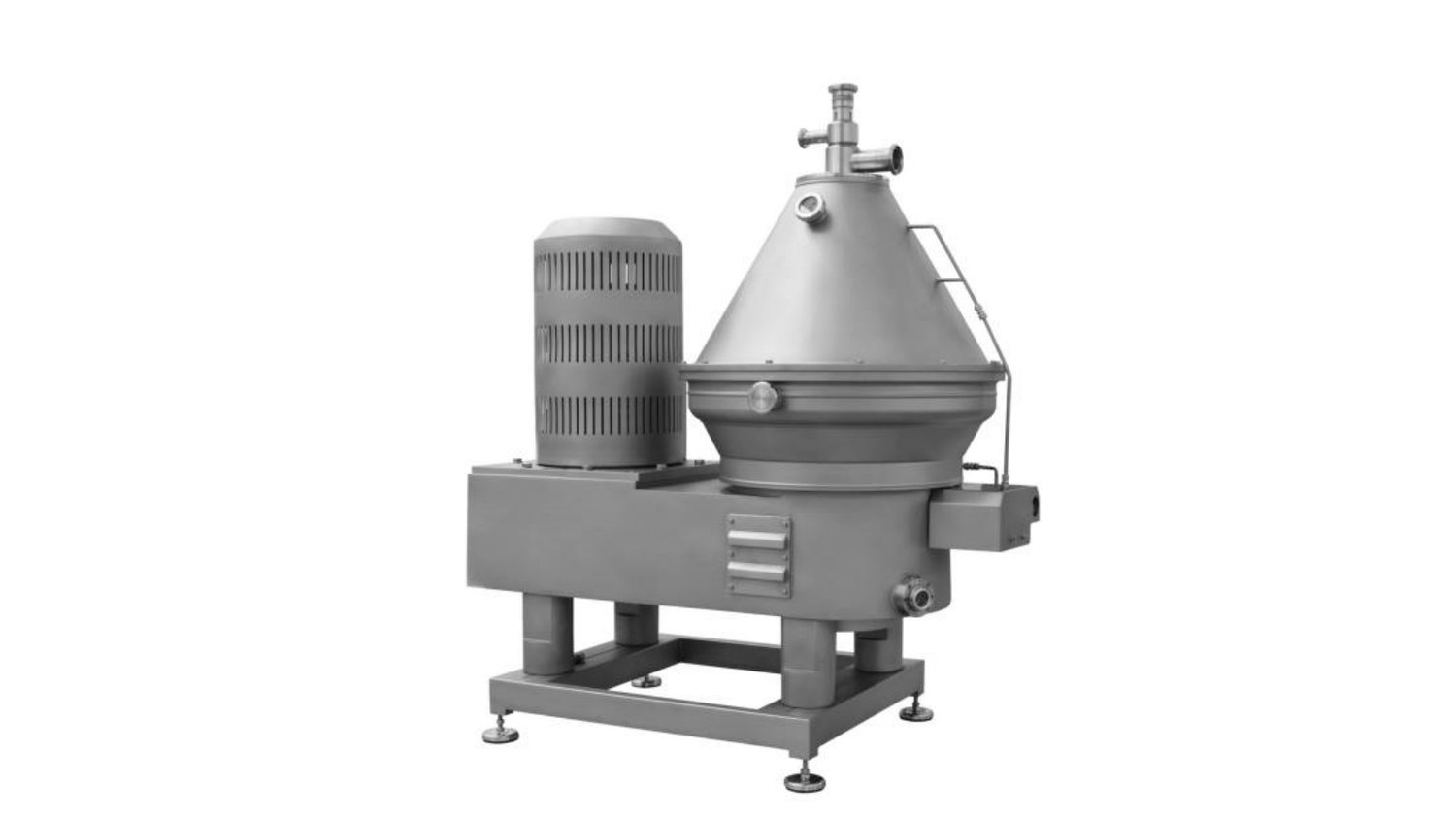
Stainless steel solid liquid separator machines are innovative devices designed to efficiently separate solids from liquids in various industrial and commercial applications. Their durable stainless steel build ensures resistance to corrosion and long service life, making them a preferred choice in sectors such as food processing, wastewater treatment, and pharmaceuticals. These machines help optimize processes by isolating valuable solids or clarifying liquids for further use or disposal.
Core Components and Working Principle
The core of a stainless steel solid liquid separator machine typically consists of a filtration system, a motorized drum or screw press, and a collection chamber. The machine operates by feeding slurry or mixed material into the system where the liquid passes through a fine mesh or filter, leaving solid particles behind. Advanced designs may feature automated discharge systems and variable speed controls for enhanced efficiency.
Material Benefits: Why Stainless Steel?
Using stainless steel for solid liquid separator machines offers significant advantages such as superior corrosion resistance, ease of cleaning, and compliance with food-grade and pharmaceutical standards. Stainless steel also withstands harsh chemicals and extreme temperatures, reducing maintenance and prolonging machine life. These attributes make it indispensable in sectors requiring hygienic processing conditions.
Applications in Food Processing Industry
In the food processing industry, stainless steel solid liquid separator machines are essential for extracting juice from pulps, clarifying broths, or separating seeds and skins from liquids. They maintain product purity, minimize contamination risk, and improve product quality by efficiently removing unwanted solids. For example, juice manufacturers rely on these machines to achieve clear liquid while retaining valuable nutrients.
Role in Wastewater Treatment Plants
Wastewater treatment plants utilize stainless steel solid liquid separator machines to treat sludge and separate suspended solids from water. This reduces environmental pollution and facilitates safer water discharge or reuse. The robust nature of stainless steel ensures the machines handle abrasive sludge without corrosion, enhancing system reliability and reducing operational downtime.
Pharmaceutical and Chemical Industry Applications
In pharmaceutical manufacturing, purity is paramount. Stainless steel solid liquid separator machines are used to separate active ingredients from suspensions or filter out impurities, ensuring product safety and effectiveness. Similarly, in chemical industries, these machines help separate valuable catalysts or precipitates from liquid batches, improving process yield and efficiency.
Maintenance and Cleaning Considerations
Maintaining a stainless steel solid liquid separator machine requires routine checking of filters, motors, and seals to prevent clogging and wear. Its stainless steel construction facilitates quick clean-in-place (CIP) procedures, reducing downtime and ensuring consistent hygiene standards. Proper maintenance extends machine lifespan and maintains optimal separation performance.
Energy Efficiency and Operational Costs
Modern stainless steel solid liquid separator machines incorporate energy-efficient motors and optimized filtration mechanisms to reduce power consumption. Lower energy usage translates to decreased operational costs for industries utilizing these machines. Additionally, their prolonged service intervals and minimal waste production contribute to an overall reduction in running expenses.
Customization and Scalability Options
Manufacturers often offer stainless steel solid liquid separator machines in various sizes and configurations, tailored to specific processing volumes and material characteristics. Customizable features include filtration mesh sizes, discharge mechanisms, and automation levels, enabling businesses to scale operations without compromising separation efficiency or product quality.
Future Trends and Technological Innovations
Advancements in materials science and automation are driving innovations in stainless steel solid liquid separator machines. Integration with IoT for remote monitoring, improved filtration media for finer particle separation, and hybrid systems combining separation techniques are enhancing machine performance. These innovations promise increased throughput, reduced labor, and smarter process control in future industrial applications.
Quote Inquiry
contact us