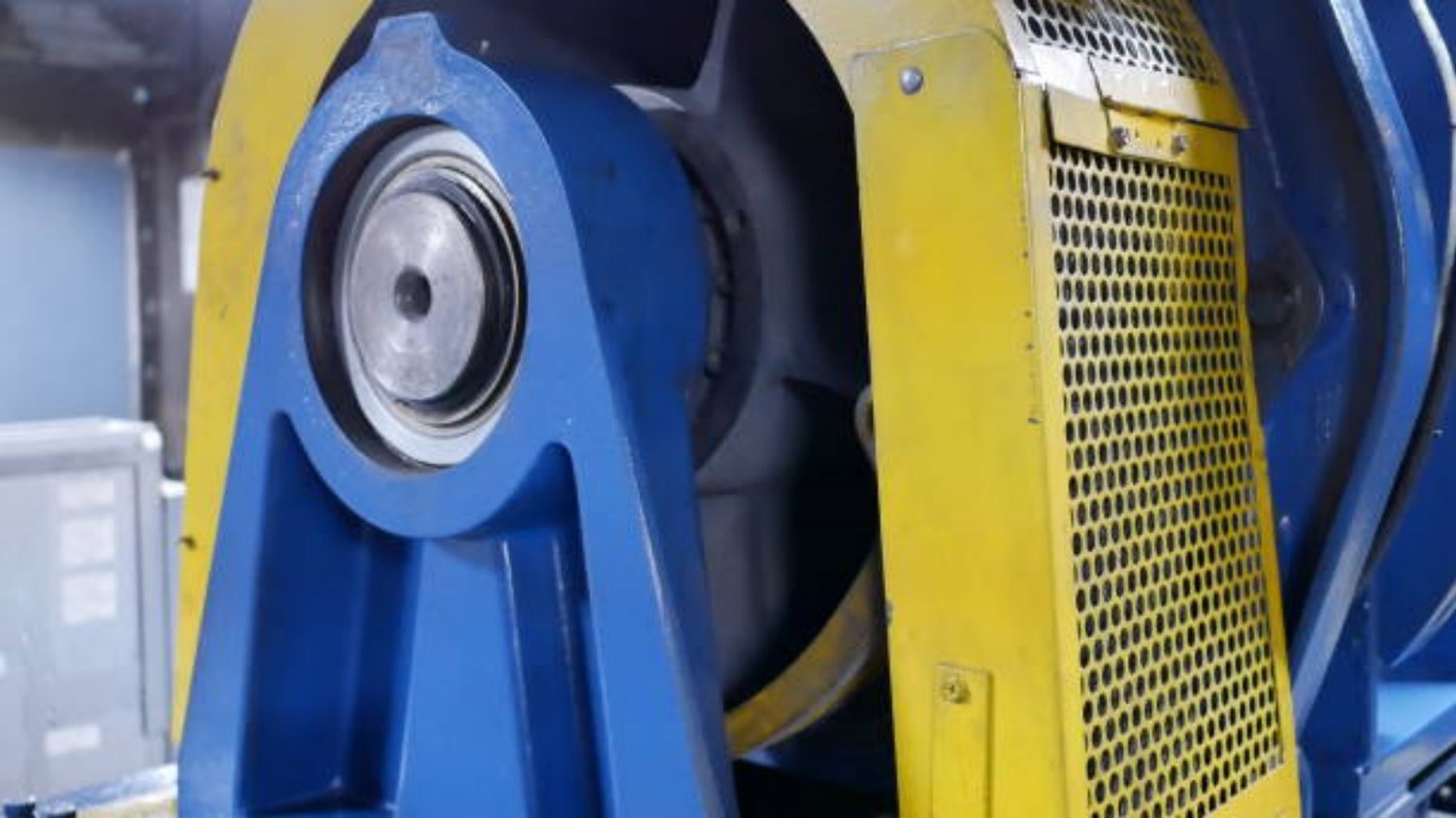
Understanding the Double Shaft Crusher and Its Safety Significance
Double shaft crushers play a crucial role in various industries, including recycling, mining, and construction. Known for their robust crushing capability, these machines utilize two parallel shafts fitted with blades to grind and crush materials efficiently. However, the powerful mechanical forces involved present significant safety risks. Understanding the fundamental operation and the inherent hazards of a double shaft crusher is the first step toward establishing effective safety protocols and preventing workplace accidents.
Common Hazards Associated with Double Shaft Crushers
Double shaft crushers present multiple safety concerns, including entanglement, crushing, and pinch point injuries. Operators can be caught by rotating shafts or exposed blades, which may cause severe physical harm. Additionally, flying debris and dust emissions contribute to respiratory and eye hazards. Awareness of these dangers ensures workers remain vigilant and safety measures are tailored to mitigate specific risks.
Personal Protective Equipment (PPE) for Double Shaft Crusher Operators
Proper personal protective equipment is vital when working near a double shaft crusher. Essential PPE includes heavy-duty gloves, safety goggles, ear protection, steel-toed boots, and dust masks or respirators. These items protect operators from direct physical injuries, loud noise exposure, and harmful dust particles, thereby reducing the likelihood of occupational illnesses and injuries.
Pre-Operational Inspection and Maintenance Checks
A rigorous pre-operational inspection is critical to ensure safe and efficient operation of a double shaft crusher. Regular maintenance checks should focus on the condition of the blades, shaft alignment, guarding mechanisms, and hydraulic systems. Identifying wear, damage, or misalignment beforehand helps prevent mechanical failures that could pose severe safety hazards during operation.
Lockout-Tagout Procedures Specific to Double Shaft Crushers
Lockout-tagout (LOTO) procedures are essential safety practices during maintenance or repairs on double shaft crushers. Proper LOTO ensures that the machinery is completely de-energized and cannot start unexpectedly. This procedure involves isolating energy sources such as electrical supply and hydraulic power, locking controls, and tagging them to alert other personnel, thus preventing accidental machine startups.
Emergency Stop Mechanisms and Their Importance
Double shaft crushers must be equipped with accessible and reliable emergency stop mechanisms. These emergency stops enable operators or nearby personnel to immediately halt the machine if a dangerous situation arises. Regular testing and clear labeling of emergency controls are necessary to guarantee prompt responses, minimizing the severity of potential accidents.
Training and Competency Requirements for Operators
Effective safety management hinges on adequately trained and competent operators. Comprehensive training programs should cover machine operation, hazard recognition, emergency procedures, and safe maintenance practices. Operators familiar with the specific
Double Shaft Crusher Safety Guide can better anticipate risks and apply correct safety techniques, reducing workplace incidents.
Implementing Machine Guarding to Prevent Access to Dangerous Areas
Physical guarding is a fundamental safety feature for double shaft crushers. Guards prevent access to moving parts like the crushing shafts and blades, significantly lowering the risk of entanglement or crushing injuries. Guarding components must be durable, securely installed, and compliant with industrial safety standards to ensure continuous protection.
Safe Material Handling and Feeding Practices
Proper material feeding is essential for safe and efficient crusher operation. Feeding oversized or inappropriate materials can cause machine jams, resulting in dangerous manual clearing procedures. Implementing safe loading protocols, such as using automated hoppers or conveyors, and ensuring materials are free of hazardous debris, enhances operator safety and machine longevity.
Regular Safety Audits and Continuous Improvement
Maintaining safety in double shaft crusher operation requires ongoing evaluation and improvement. Conducting regular safety audits, risk assessments, and incident investigations helps identify emerging hazards and safety gaps. Incorporating employee feedback and updating the double shaft crusher safety guide accordingly ensures that safety procedures remain relevant and effective over time.
Quote Inquiry
contact us