
Table of Contents
Understanding the Basics of Double Shaft Crushers
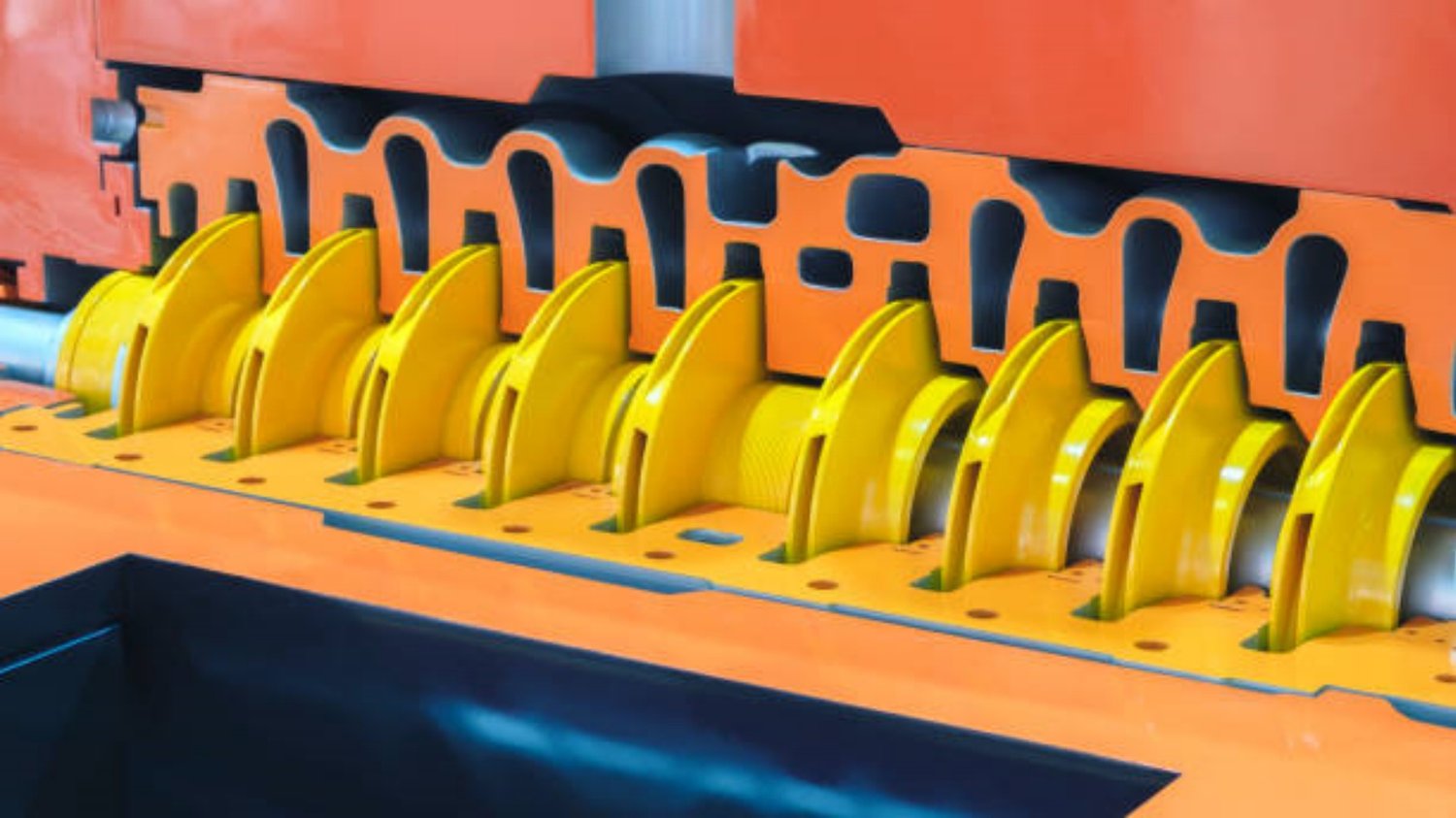
A double shaft crusher is a specialized industrial machine used primarily for crushing and shredding materials into smaller pieces. These crushers feature two contra-rotating shafts equipped with cutting tools, designed to handle a wide range of materials such as wood, waste, and biomass. Understanding the fundamental structure and working principle of double shaft crushers is vital to effectively troubleshoot issues and maintain peak performance.
Common Causes of Jamming in Double Shaft Crushers
Jamming is a frequent problem encountered during double shaft crusher operations. It often results from oversized or improperly fed material, accumulation of debris, or inadequate rotor speed. Identifying the root cause of clogging and ensuring consistent material size, proper feeding practices, and regular clearing of blockage can help minimize jamming and improve the crusher's reliability.
Wear and Tear: Detecting Rotor and Cutter Blade Damage
Continuous use of a double shaft crusher leads to wear on rotor shafts and cutting blades, reducing shredder efficiency. Frequently inspecting blades for chipping, dullness, or deformation is crucial for timely replacement or sharpening. Balanced rotor alignment and using manufacturer-specified materials reduce wear and facilitate smoother troubleshooting of performance dips related to cutting element damage.
Motor and Drive Troubles: Diagnosing Power Supply Issues
Double shaft crushers rely on robust motor and drive mechanisms for proper functioning. Electrical faults, such as voltage fluctuations, motor overheating, or faulty wiring, often translate into operational failures. Conducting routine motor inspections, monitoring temperature, and verifying voltage stability are key troubleshooting steps for issues related to power supply hiccups.
Hydraulic System Problems and Their Resolution
Some double shaft crushers integrate hydraulic components to control shaft movement and adjustment. Hydraulic leaks, pressure drops, or contamination in the fluid can impair crusher operation. Regular checking of seals, hydraulic hoses, and fluid quality is essential. Troubleshooting these systems involves identifying leaks, maintaining fluid cleanliness, and ensuring correct hydraulic pressure.
Noise and Vibration Troubleshooting for Operational Safety
Abnormal noise and excessive vibrations in double shaft crushers can indicate underlying mechanical defects like bearing failure, unbalanced rotors, or damaged gears. Early detection through vibration analysis and sound monitoring helps prevent severe damage and improves safety. Proper lubrication and routine maintenance are critical preventive steps against noise and vibration problems.
Cooling System Failures and Temperature Monitoring
Overheating affects the operational lifespan of double shaft crushers by damaging motors, bearings, and electronic controls. Many systems use cooling fans or liquid cooling methods. Troubleshooting cooling issues requires routine inspection of cooling components, cleaning air vents, and verifying coolant flow to ensure optimal temperature regulation and avoid thermal shutdowns.
Material Feeding Techniques to Avoid Crusher Overload
An improper feeding rate or material type can overload a double shaft crusher, causing motor strain and mechanical failure. Using uniform, pre-processed material and controlling feed rate according to manufacturer guidelines help prevent overloading. Troubleshooting feeding issues includes adjusting feed speed and ensuring consistent input material size and quality.
Electronic Control System Diagnostics
Modern double shaft crushers often feature electronic control units for monitoring and adjusting crusher functions. Faulty sensors, wiring problems, or software glitches can disrupt automated operations. Troubleshooting involves checking sensor calibration, inspecting wiring connections, and updating control software to maintain stable and efficient crusher performance.
Routine Maintenance Tips to Prevent Frequent Troubleshooting
Implementing a preventive maintenance schedule is the most effective way to reduce the need for extensive troubleshooting with double shaft crushers. Scheduled inspections, timely replacement of wear parts, thorough cleaning, and lubrication extend the machine’s operating life and minimize downtime. Educating operators on maintenance basics further supports optimal crusher function.