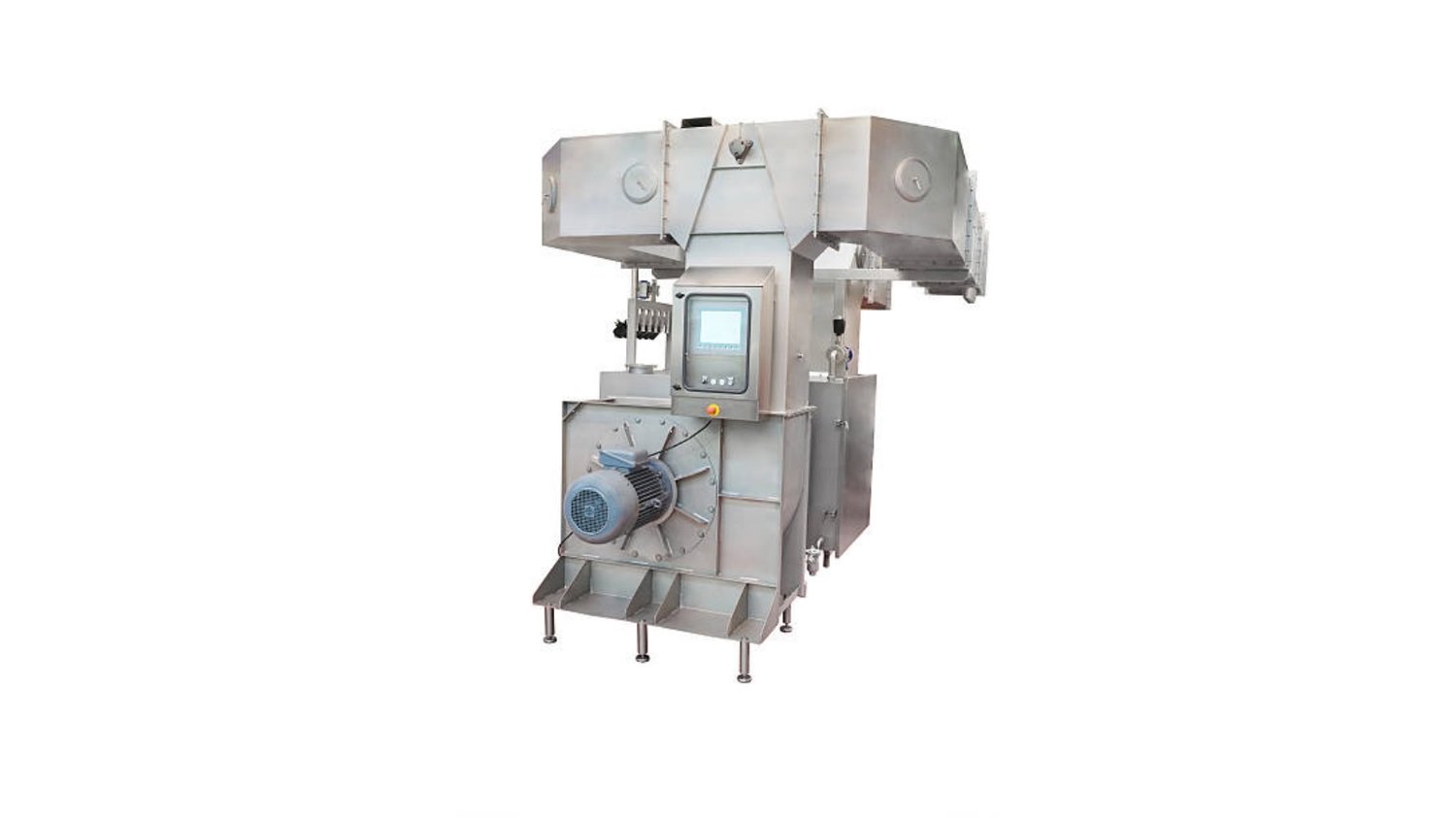
Dung dewatering slurry separation machines have become essential equipment in modern agricultural and industrial waste management. These machines efficiently separate water from livestock dung slurry, transforming it into manageable solid waste and liquid fractions. By leveraging advanced mechanical separation technologies, they help reduce environmental pollution, improve sanitation, and enable resource recovery from animal waste.
Principles Behind the Dung Dewatering Slurry Separation Process
The core principle of a dung dewatering slurry separation machine lies in centrifugation, filtration, or screw press mechanisms that extract excess water from slurry. This separation process decreases moisture content in the dung, yielding dry solids suitable for composting or further processing. Simultaneously, the liquid fraction can be treated or reused, creating a closed-loop system. The efficiency of separation depends on machine design, slurry properties, and operational parameters.
Environmental Benefits of Using a Dung Dewatering Slurry Separation Machine
Employing dung dewatering slurry separation machines significantly mitigates environmental hazards associated with untreated animal waste. By reducing slurry volume and moisture, these machines minimize odor emissions, groundwater contamination, and greenhouse gas release such as methane. Moreover, separating solids improves manure management by preventing nutrient runoff, thus protecting nearby water bodies and promoting sustainable farming practices.
Economic Advantages for Farmers and Agricultural Enterprises
Dung dewatering slurry separation machines offer considerable economic benefits. Reduced slurry volume lowers transportation and disposal costs, while the dry solids can be sold as organic fertilizer or biofuel feedstock. The treated liquid fraction can serve as irrigation water or nutrient-rich fertilizer, reducing the need for synthetic inputs. Consequently, operational efficiency and profitability improve, making these machines a valuable investment for farms and livestock facilities.
Technological Innovations in Dung Dewatering Slurry Separation Machines
Recent innovations in dung dewatering slurry separation machines include automatic control systems, energy-efficient motors, and improved separation media. Modern units incorporate sensors to monitor moisture levels and adjust dewatering intensity in real-time. Advances in materials and design reduce wear and clogging, increasing machine lifespan and uptime. These technological enhancements contribute to greater reliability, efficiency, and user-friendliness.
Applications Across Different Animal Farming Sectors
Dung dewatering slurry separation machines are versatile and applicable in various animal farming sectors including cattle, pig, poultry, and sheep operations. Different slurry compositions require tailored separation approaches, and many machines offer adjustable settings to customize dewatering accordingly. The technology supports large-scale industrial farms as well as smaller, family-run operations, making it broadly accessible across the agricultural spectrum.
Maintenance and Operational Considerations for Optimal Performance
Proper maintenance is critical to ensure the longevity and effectiveness of dung dewatering slurry separation machines. Regular cleaning to prevent clogging, timely replacement of wear parts, and routine lubrication of moving components are essential practices. Operators need training to monitor machine performance, adjust parameters, and troubleshoot issues. Following manufacturer guidelines also enhances the overall system efficiency and reduces downtime.
Integration with Waste Treatment and Resource Recovery Systems
Dung dewatering slurry separation machines often function as integral components within larger waste treatment setups. Separated solids can be composted or processed in biogas digesters, while the liquid fraction can enter nutrient recovery systems or wastewater treatment. This integration promotes resource recovery, converting animal waste into valuable products like organic fertilizers and renewable energy, thereby fostering circular economy models in agriculture.
Global Trends and Market Outlook for Dung Dewatering Slurry Separation Machines
The global demand for dung dewatering slurry separation machines is growing, driven by stricter environmental regulations, increasing livestock production, and rising awareness of sustainable waste management. Emerging markets are witnessing rapid adoption as farmers seek cost-effective methods to manage slurry. Innovations and government subsidies further accelerate market growth, positioning these machines as key solutions in future agricultural waste handling.
Choosing the Right Dung Dewatering Slurry Separation Machine for Your Needs
Selecting an appropriate dung dewatering slurry separation machine requires assessment of several factors including slurry volume, animal type, space availability, and budget. It is important to compare design features, capacity, energy consumption, and after-sale support. Consulting with manufacturers and considering case studies can facilitate informed decision-making, ensuring that the machine effectively meets specific operational requirements.
Quote Inquiry
contact us