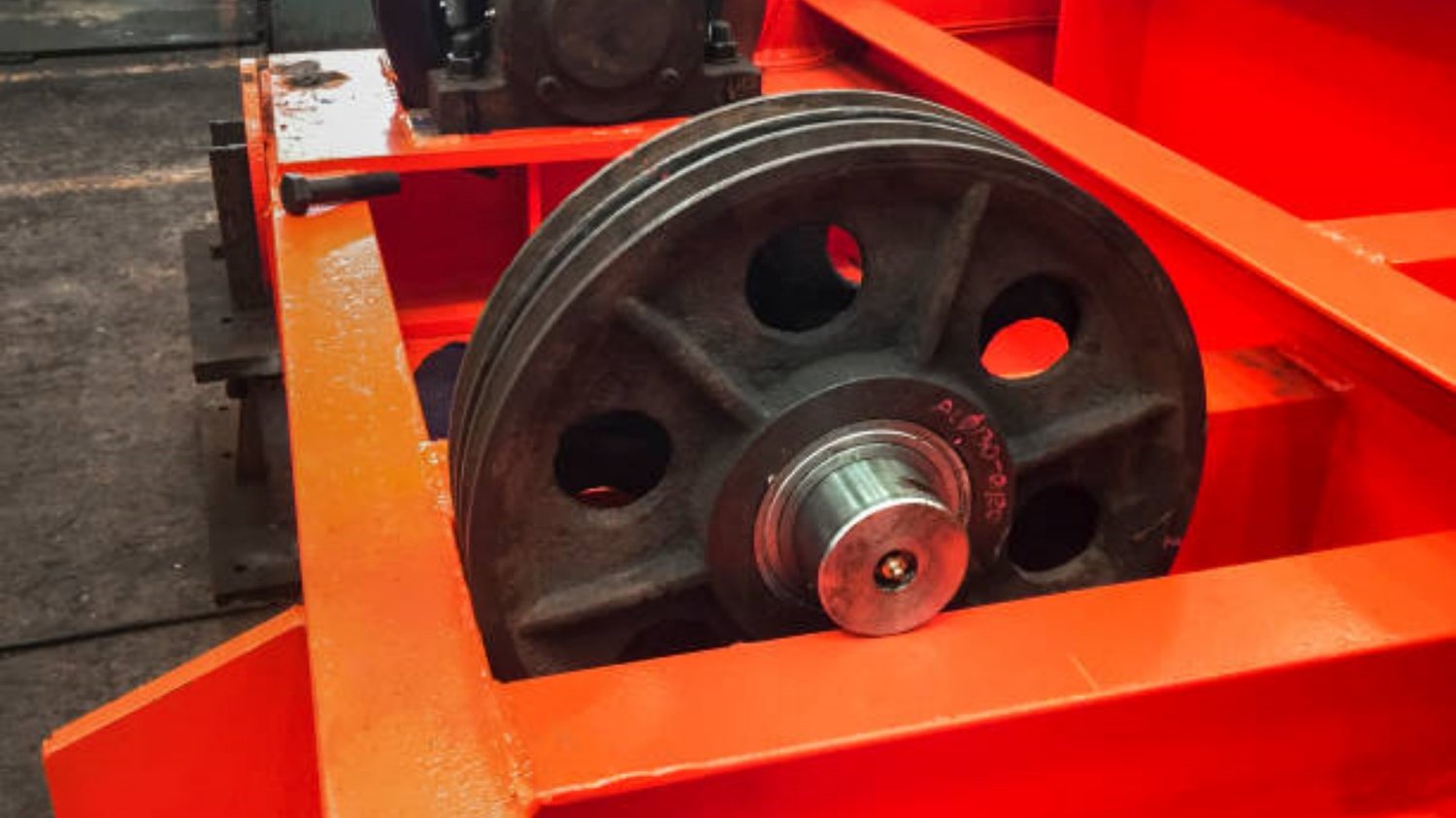
Proper shaft crusher blade care is crucial to maintaining the efficiency and longevity of crushing equipment. Neglecting blade maintenance can lead to reduced performance, increased downtime, and costly repairs. By focusing on blade care, operators ensure that the crusher functions smoothly and safely through extended periods.
Common Materials Used in Shaft Crusher Blades
Shaft crusher blades are typically made from high-strength steel alloys, often with wear-resistant coatings. Understanding the material composition helps in selecting the right care methods, as different metals require specific cleaning and sharpening techniques to maintain their integrity.
Routine Cleaning Practices for Shaft Crusher Blades
Regular cleaning of shaft crusher blades removes buildup of debris and residues that can cause uneven wear or corrosion. Using appropriate cleaning agents and tools prevents damage while maintaining the blade’s sharpness and effectiveness. Avoid abrasive cleaners that might erode critical surfaces.
Inspection Techniques for Early Damage Detection
Routine inspections help detect cracks, chips, or abnormal wear on shaft crusher blades before they escalate into failures. Visual checks supplemented by magnification tools or ultrasonic testing can identify hidden faults, allowing timely interventions to avoid breakdowns.
Sharpening Methods to Enhance Blade Efficiency
Keeping shaft crusher blades sharp improves crushing performance and reduces machine strain. Professional sharpening or the use of specialized grinding equipment ensures uniform edges without compromising blade thickness. Over-sharpening should be avoided as it weakens the blade.
Proper Storage to Prevent Blade Deterioration
When not in use, shaft crusher blades should be stored in a dry, clean environment away from humidity and corrosive elements. Using protective coatings or rust inhibitors can extend storage life, preventing oxidation and maintaining readiness for future operations.
Lubrication’s Role in Shaft Crusher Blade Care
While blades themselves aren't directly lubricated, lubricating adjacent moving parts can reduce vibration and stress transmission to shaft crusher blades. This indirect care minimizes wear and preserves blade alignment, which is essential for optimal crushing performance.
Replacement Criteria and Timing for Shaft Crusher Blades
Knowing when to replace shaft crusher blades is vital for operational safety and efficiency. Blades exhibiting excessive wear, deformation, or irreparable damage must be replaced promptly to avoid equipment failure or compromised crushing quality.
Environmental Factors Affecting Blade Longevity
Environmental conditions such as moisture, temperature fluctuations, and exposure to abrasive materials impact shaft crusher blade durability. Implementing protective measures and adapting care routines to specific environments can significantly prolong blade life.
Training and Best Practices for Maintenance Personnel
Educating maintenance teams on shaft crusher blade care ensures consistent application of best practices. Proper training on cleaning, inspection, sharpening, and safe handling prevents accidental damage and maximizes blade usability across all operational cycles.
Quote Inquiry
contact us