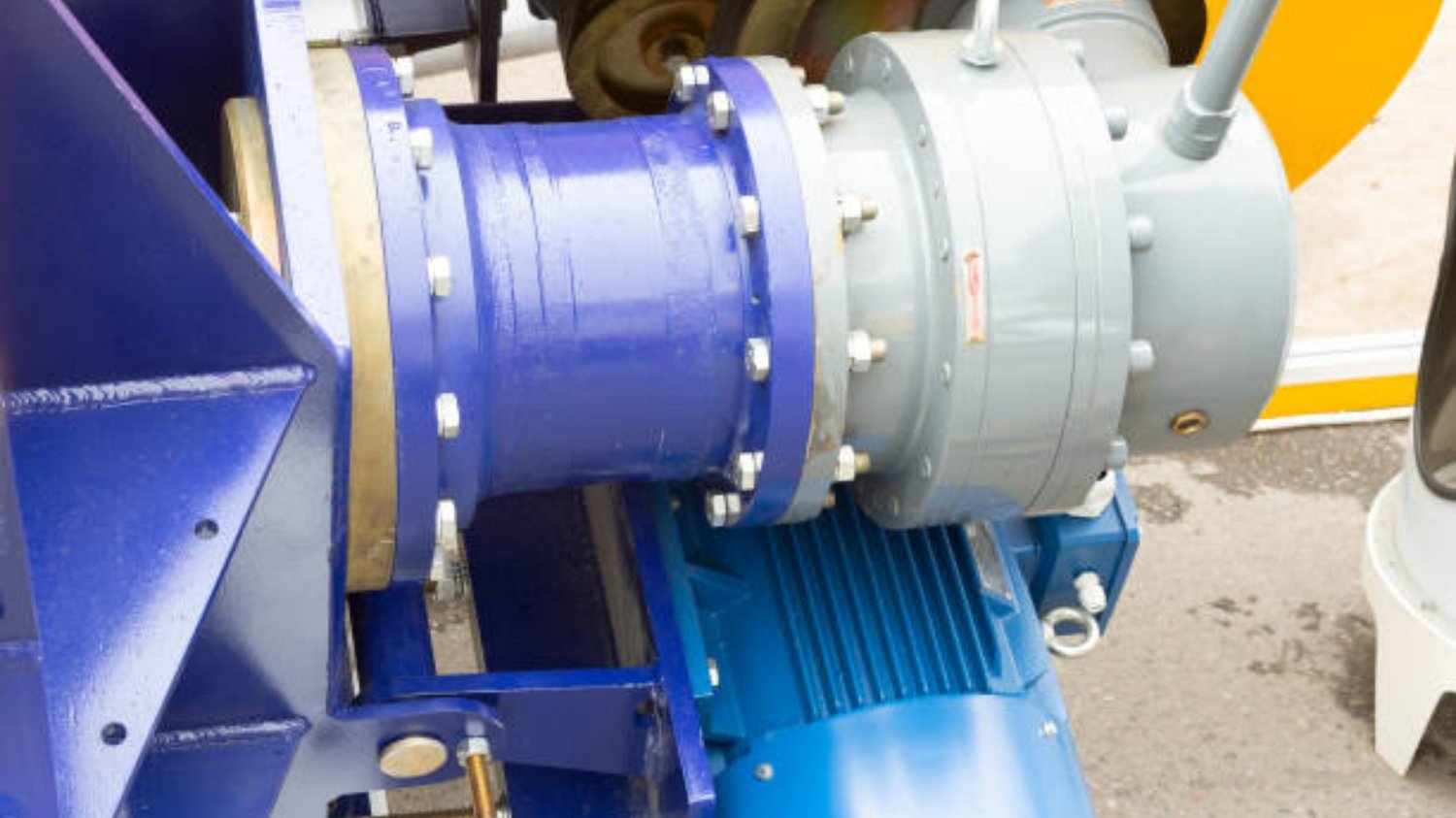
Shaft crusher material handling plays a critical role in the efficient operation of various industrial crushing systems. This specialized field focuses on the movement, processing, and management of materials specifically designed for shaft crushers. Understanding how material handling influences crusher performance can significantly improve productivity, reduce downtime, and optimize resource use in sectors such as mining, cement, and recycling.
Types of Shaft Crushers and Their Material Handling Needs
There are several types of shaft crushers including vertical shaft impactors (VSI) and horizontal shaft crushers, each requiring tailored material handling approaches. The design and mechanical operation dictate how materials enter, pass through, and exit the crusher. Tailoring material handling methods accordingly ensures the right feed rate, distribution, and crusher load, preventing wear and tear and improving overall crusher lifespan.
Materials Suitable for Shaft Crusher Handling
Shaft crusher material handling covers a wide range of materials such as rocks, ores, minerals, and construction debris. Selection of appropriate handling techniques depends on the material’s abrasion, moisture content, and particle size. Efficient handling of abrasive or sticky materials minimizes wear on crusher components and avoids blockages that disrupt crushing cycles.
Feed Control and Its Impact on Shaft Crusher Efficiency
Precise feed control is paramount in shaft crusher material handling. Consistent material feeding maintains a uniform crushing process, reduces energy consumption, and enhances product quality. Automated feed systems, such as belt feeders or vibrating feeders, are commonly used alongside shaft crushers to ensure steady throughput and prevent overloading.
Integration of Conveying Systems with Shaft Crushers
Efficient conveying systems are vital in shaft crusher material handling to transport raw material from storage to the crusher and distribute crushed products. Conveyors, chutes, and feeders should be designed to minimize material spillage and degradation. Proper integration improves workflow, decreases manual labor, and enhances safety during material transfer.
Impact of Material Size and Distribution on Crusher Performance
Material size and distribution directly affect the shaft crusher’s crushing efficiency. Handling materials with a consistent particle size prevents uneven wear and optimizes the crusher’s crushing action. Pre-screening or crushing the raw material to control size distribution before feeding into the shaft crusher significantly increases operational effectiveness.
Wear Management in Shaft Crusher Material Handling
Wear of machine parts due to abrasive materials is a critical concern in shaft crusher material handling. Implementing wear-resistant liners, controlled feed techniques, and regular maintenance schedules prolongs the life of crushers. Additionally, using sensors to monitor wear levels can predict maintenance needs and avoid unexpected shutdowns.
Dust and Environmental Control in Material Handling
Handling materials in shaft crushers often generates dust, which poses health and environmental risks. Dust control measures such as enclosed conveying systems, dust suppression sprays, and vacuum collection units are essential in shaft crusher material handling. Maintaining clean facilities boosts compliance with environmental regulations and protects worker safety.
Automation Advances in Shaft Crusher Material Handling
Automation technologies like real-time monitoring, robotic feeders, and AI-driven control systems enhance shaft crusher material handling efficiency. These innovations improve feed accuracy, monitor crusher conditions, and reduce human error. As automation becomes more prevalent, it drives greater productivity and reduces operational costs in crushing plants.
Safety Considerations in Shaft Crusher Material Handling
Safety is a paramount aspect of shaft crusher material handling. Proper training, guarding of moving parts, and emergency stop systems prevent accidents. Safe layout design including clear signage and access routes ensures that material handling operations proceed without injury. Focusing on safety improves workforce morale and compliance with occupational health standards.
Quote Inquiry
contact us