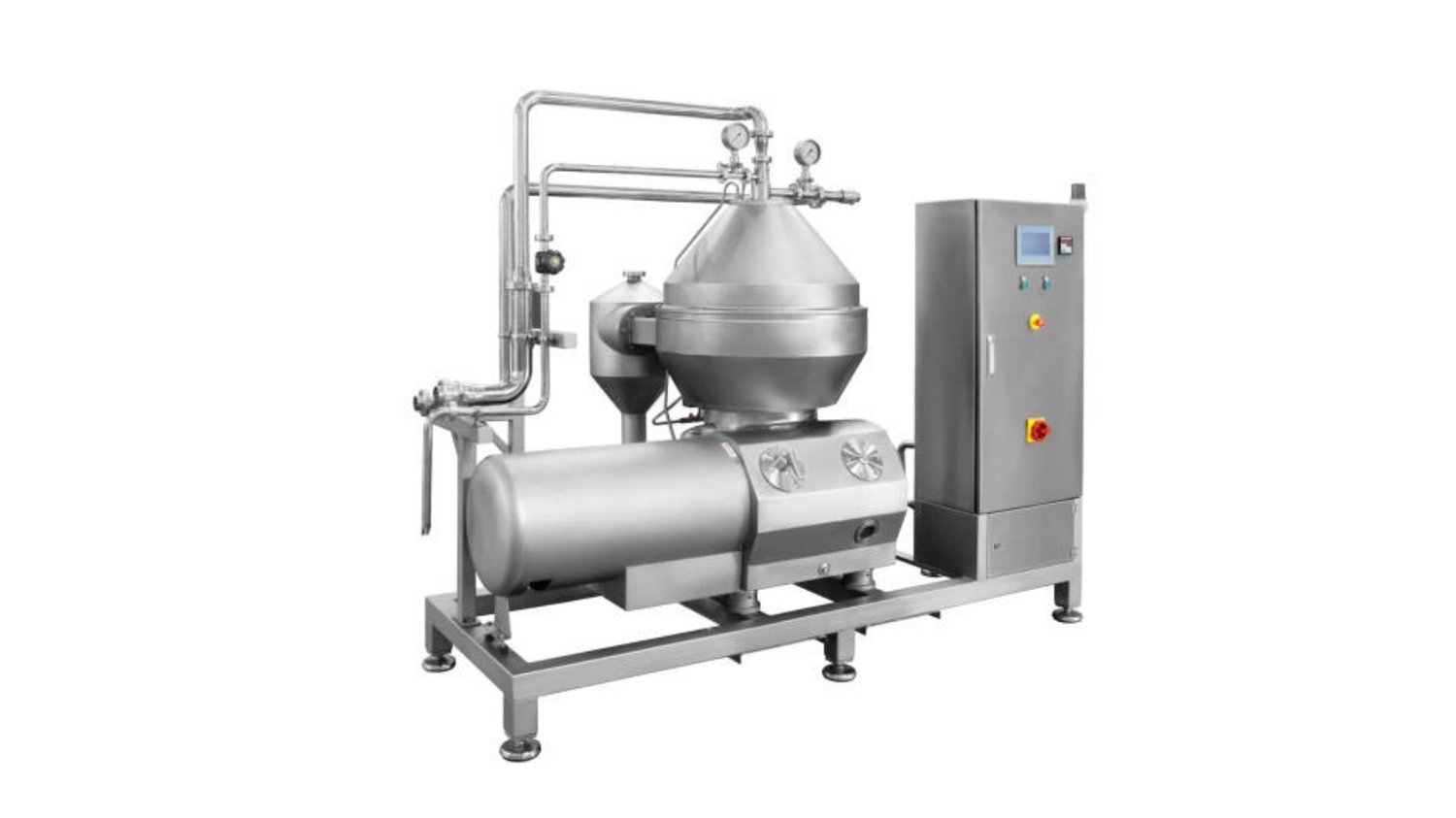
Automatic animal manure solid separator machines are specialized devices designed to effectively separate solid and liquid components from animal manure. These machines are vital in modern livestock management, improving waste handling efficiency while promoting environmental sustainability. By automating the separation process, they reduce labor intensity and enhance manure utilization options for farmers and agricultural enterprises.
Key Components and Working Principle
The core of an automatic animal manure solid separator machine includes a feeding system, separation unit, and discharge outlets for solids and liquids. Typically, it employs mechanical methods such as screw presses, vibrating screens, or belt filters to remove solids from manure slurry. The automation enables continuous operation, precise control, and consistent output quality, ensuring optimal separation with minimal human intervention.
Benefits of Using Automatic Manure Solid Separator Machines
Adopting an automatic animal manure solid separator machine brings several advantages. Firstly, it reduces the volume of manure for disposal, lowering transportation and handling costs. Secondly, separated solids can be repurposed as organic fertilizer, improving nutrient recycling. Additionally, liquid effluent becomes easier to treat or use in irrigation, minimizing environmental pollution and promoting sustainable agriculture practices.
Applications Across Different Livestock Farms
These machines are widely applicable in cattle, pig, poultry, and other animal farms. Their versatility allows handling varied manure types with different moisture contents. In dairy farms, separators help maintain hygienic conditions and reduce odors. Pig farms benefit from reduced slurry volume, making waste management more manageable. Poultry waste separation also prevents ammonia buildup, safeguarding animal and worker health.
Environmental Impact and Sustainability
Automatic animal manure solid separator machines contribute significantly to environmental protection by mitigating nutrient runoff and water contamination risks. By efficiently separating solids, they limit methane emissions from stored manure and reduce reliance on chemical fertilizers. Their role in promoting circular agriculture underscores their importance in combating climate change and conserving natural resources.
Technological Advancements Enhancing Efficiency
Recent advancements in sensor technology, automation, and machine learning have enhanced the performance of these separator machines. Modern models feature real-time monitoring, adaptive control systems, and improved durability. These innovations optimize throughput rates and separation accuracy while reducing energy consumption, thus making the machines more cost-effective and reliable at scale.
Economic Considerations and ROI
Investing in an automatic animal manure solid separator machine involves upfront costs; however, the return on investment (ROI) can be substantial. Savings arise from reduced waste disposal fees, lower fertilizer expenses, and potential revenue from selling separated solids as compost products. Moreover, improved manure management can lead to compliance with environmental regulations, avoiding penalties and enhancing farm reputation.
Maintenance and Operational Requirements
Proper maintenance of automatic animal manure solid separator machines ensures long-term efficient operation. Routine cleaning prevents clogging and mechanical wear, while timely inspections identify parts requiring replacement. Operators benefit from training on startup, shutdown, and troubleshooting procedures to minimize downtime. Automation reduces manual labor but demands periodic monitoring by skilled personnel.
Integrating with Farm Waste Management Systems
These machines function best when integrated into comprehensive farm waste and nutrient management systems. They complement anaerobic digesters, composting units, and irrigation systems by producing well-separated manure streams tailored for each process. Integration enhances overall farm productivity, environmental compliance, and resource utilization efficiency.
Future Trends and Industry Outlook
The global demand for automatic animal manure solid separator machines is expected to rise due to stricter environmental policies and increasing livestock production. Future developments will focus on enhanced automation, energy efficiency, and multi-functionality, including simultaneous separation and drying. The sector’s growth will drive innovation, supporting sustainable livestock farming worldwide.
Quote Inquiry
contact us