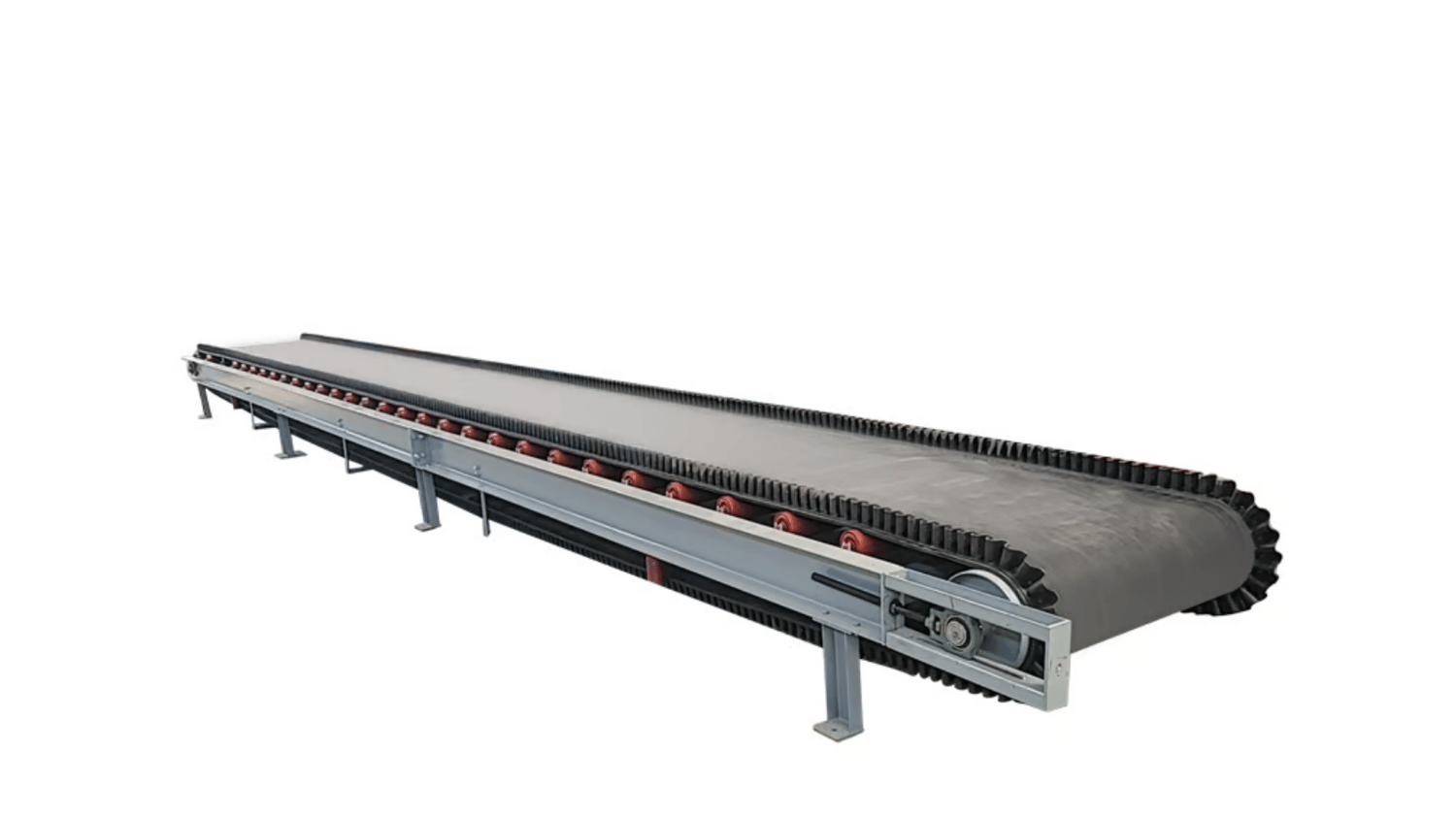
Belt conveyors are mechanical devices that consist of a continuous loop of material — typically rubber or fabric — moving over pulleys to transport products or materials. Widely used in industries ranging from manufacturing to mining, belt conveyors facilitate efficient material handling by automating the movement of goods. Their simple yet effective design allows them to move heavy loads over varying distances and terrains, enhancing productivity and reducing the need for manual labor.
Types of Belt Conveyors and Their Applications
There are several types of belt conveyors, each suited to different material handling needs. Flat belt conveyors are common for transporting packaged goods, while modular belt conveyors enable more customized handling. Cleated belt conveyors prevent material rollback on inclined surfaces, and curved belt conveyors can navigate complex plant layouts. Selecting the right type depends on factors such as the weight, shape, and size of the items being moved, making belt conveyors adaptable to various industrial environments.
Material Selection and Construction of Belt Conveyors
The construction of a belt conveyor begins with choosing the appropriate belt material based on the operating environment and the transported material. Rubber belts offer durability and flexibility for heavy loads, whereas PVC or PU belts are preferred for food-grade applications due to their hygiene and ease of cleaning. The frame is typically made from steel or aluminum to provide strength and resistance to wear, ensuring long-lasting operation even in demanding conditions.
Key Components of Belt Conveyor Systems
Belt conveyors consist of several principal components: the belt, pulleys, idlers, and the drive system. The drive pulley powers the belt, while the tail pulley helps maintain tension. Idlers support the belt and material load along the conveyor’s path, reducing friction. The drive system, often powered by an electric motor, controls speed and torque. Proper selection and maintenance of these components are essential to achieve reliable and efficient conveying operations.
Advantages of Using Belt Conveyors in Industry
Implementing a belt conveyor system offers numerous benefits including reduced labor costs, increased throughput, and improved workplace safety. Automated conveyors can run continuously, moving large volumes of material with minimal human intervention. Their adaptability to different environments and ability to handle a range of materials enhance operational efficiency. Additionally, by reducing manual material handling, belt conveyors lower the risk of workplace injuries.
Challenges and Limitations of Belt Conveyor Systems
Despite their advantages, belt conveyors also present certain challenges. They require regular maintenance to prevent belt misalignment, wear, and motor breakdowns. Conveyors are limited by the tensile strength of the belt material and may not be suitable for exceptionally heavy or abrasive materials. Environmental factors such as exposure to extreme temperatures, moisture, or corrosive substances can also affect belt lifespan and performance, necessitating specialized materials or protective measures.
Energy Efficiency and Environmental Impact
Modern belt conveyor systems are designed with energy efficiency in mind, utilizing variable frequency drives (VFDs) and energy-efficient motors to optimize power consumption. Efficient design reduces frictional losses and belt slippage, minimizing wasted energy. Furthermore, belt conveyors contribute to sustainability by reducing the need for fuel-powered transportation equipment within industrial facilities, lowering overall carbon emissions.
Technological Innovations in Belt Conveyor Systems
Recent advancements incorporate smart technology into belt conveyors, such as sensors and IoT-enabled monitoring systems. These allow real-time tracking of belt speed, load conditions, and maintenance needs, enabling predictive maintenance and minimizing downtime. Automation and AI integration also improve sorting and routing capabilities, enhancing the precision of material handling in complex industrial operations.
Customization and Integration with Other Systems
Belt conveyors are highly customizable to fit specific industrial processes. They can be integrated with other material handling equipment such as robotic arms, sorting systems, and packaging machines. Custom features like adjustable speed controls, inclined sections, and specialized belts adapt the conveyor to the unique requirements of various production lines, making them versatile components in automated manufacturing environments.
Future Trends and Growth in Belt Conveyor Use
The global market for belt conveyors is expected to grow as industries continue to emphasize automation and efficiency. Innovations focusing on lightweight materials, energy conservation, and enhanced control systems will expand their application scope. The rise of smart factories and Industry 4.0 will further transform belt conveyor systems into interconnected assets, fostering smarter, faster, and more flexible material handling solutions worldwide.
Quote Inquiry
contact us