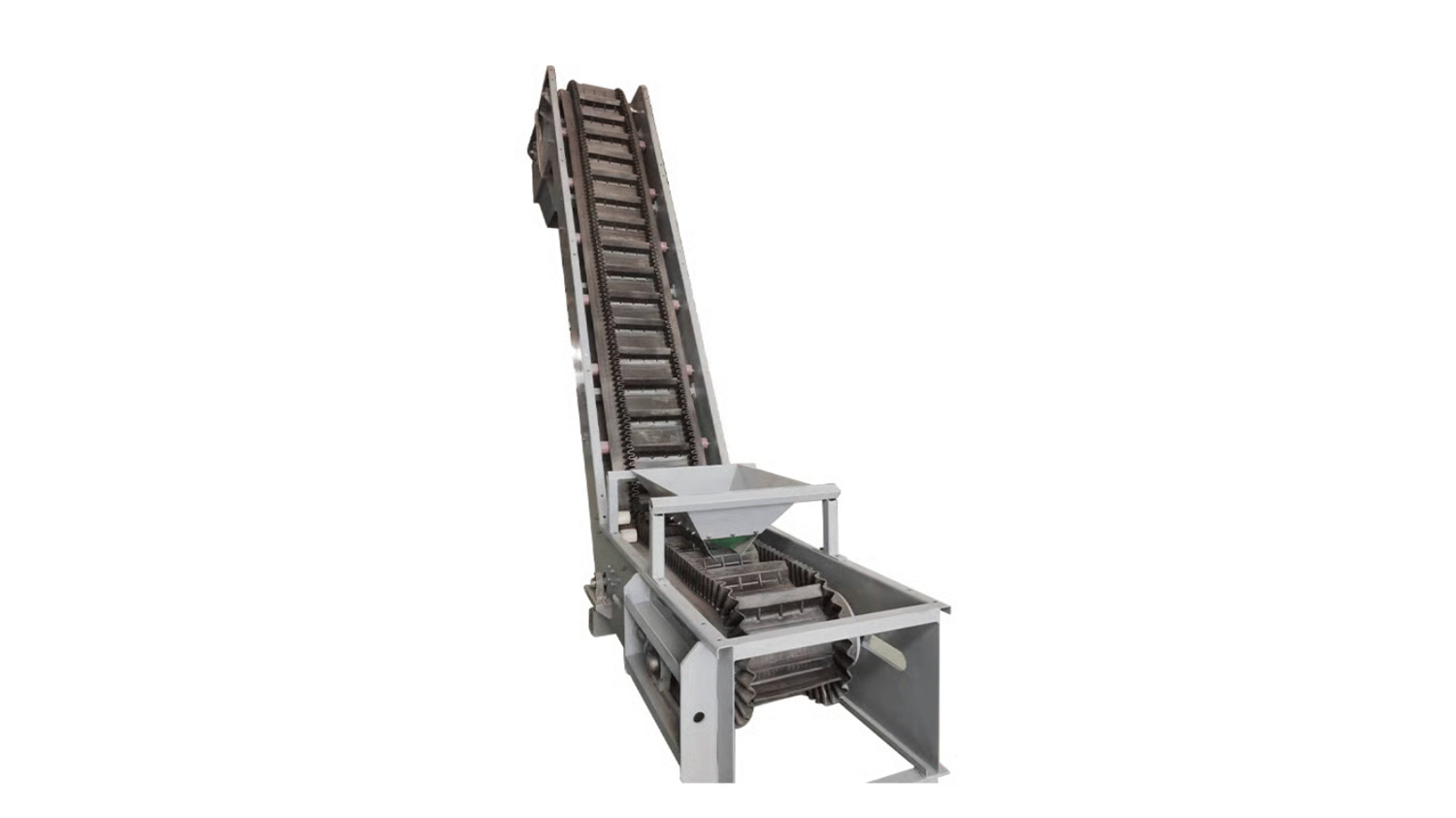
Chain plate conveyors are robust and versatile materials handling systems widely used in various industries for efficient transport of heavy loads. Combining strength and flexibility, these conveyors utilize interconnected plates mounted on chains to create a continuous conveying surface. Their design allows them to handle diverse products, including bulky, heavy, or abrasive items, making them ideal in manufacturing, warehousing, and assembly lines.
Key Components of Chain Plate Conveyors
The fundamental components of a chain plate conveyor include the chain assembly, plates, sprockets, motors, and support framework. Chains provide the driving force, while the attached plates form the flat conveying surface. Sprockets guide chains and ensure movement synchronization. Motors power the system, and the frame supports the entire structure. Understanding each part’s role is vital for optimizing performance and maintenance.
Advantages of Using Chain Plate Conveyors
One of the primary advantages of chain plate conveyors is their durability in handling heavy or sharp-edged materials, which could damage belt conveyors. The metal plates resist wear and impact, enabling reliable operation in demanding environments. Additionally, these conveyors offer precise movement with minimal slippage, improving process control and product transport consistency across lengthy conveyor runs.
Applications Across Industries
Chain plate conveyors are prevalent in automotive manufacturing, food processing, metalworking, and packaging industries. In automotive plants, they transport heavy components like engines and chassis. Food processing plants benefit from sanitary plate designs to meet hygiene standards. The metal sheets and fabricated parts industry uses them for moving rough and abrasive materials, demonstrating their broad industrial adaptability.
Customization and Design Flexibility
Manufacturers offer chain plate conveyors with customizable features, including plate size, chain pitch, and conveyor width, adapting to unique operational requirements. Curved sections, inclines, and diverters can be integrated seamlessly. This design flexibility enables tailored solutions that enhance workflow efficiency, reduce downtime, and accommodate diverse product sizes and weights effectively within production environments.
Maintenance and Longevity Considerations
Routine maintenance is essential for prolonging the lifespan of chain plate conveyors. Regular inspection of chains, sprockets, and plates helps detect early signs of wear or damage. Lubrication and tension adjustments ensure smooth operation. Unlike belt conveyors, plate conveyors allow for easier plate replacements, minimizing downtime and maintenance costs while maintaining optimal conveyor functionality.
Energy Efficiency and Operational Cost Benefits
Chain plate conveyors often deliver better energy efficiency compared to other heavy-duty conveyor types because of their low friction chain drives and reliable motor control. Operational costs are further reduced due to fewer breakdowns and minimal product damage during transport. The system’s robust construction translates into less frequent replacements, making it a cost-effective investment for long-term materials handling.
Safety Features Integrated into Chain Plate Conveyors
Safety is paramount in conveyor system design, and chain plate conveyors incorporate several features such as guards to prevent operator contact with moving parts, emergency stop mechanisms, and smooth plate surfaces to prevent materials from jamming. Proper safety protocols combined with these mechanical features help reduce workplace accidents and ensure compliance with industrial safety standards.
Comparison with Other Conveyor Types
Compared to belt, roller, or chain-driven live roller conveyors, the chain plate conveyor stands out for its ability to handle uneven, heavy, or abrasive loads reliably. While belt conveyors excel in gentle handling of delicate goods, chain plate systems provide improved durability and precise movement, making them suitable for harsher industrial environments where product stability and load size are critical factors.
Future Trends in Chain Plate Conveyor Technology
Emerging advancements in materials and automation are set to enhance chain plate conveyor capabilities. Innovations include the use of corrosion-resistant alloys for extreme environments and integration with smart sensors for predictive maintenance. Automation enables real-time monitoring, reducing downtime and increasing throughput. These trends ensure chain plate conveyors remain a pivotal element in modern industrial conveyors for years ahead.
Quote Inquiry
contact us